


Haining Hongou Textile Co., Ltd. is located in Haining Warp Knitting Industrial Development Zone, Zhejiang, China. We are a company specializing in producing, processing, finishing, and sale of various knitted fabrics. Our core mission is to offer best service for each customer, ensuring the efficient allocation of our company's resources.
Our primary products include various types of advertising flag and banner fabrics, sofa fabrics, and footwear materials. Our range of products includes super soft Velboa, suede fabric, Tricot fabric, crushed velvet, mesh fabric, laminated fabrics, printed fabrics, and hot stamped fabrics, with excellent quality and competitive pricing.
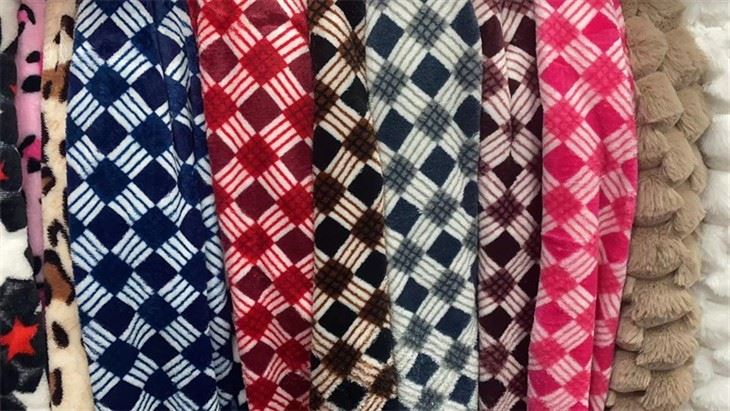
Type of Plush Fabric


Why Choose Us?
Variety Of Products
Our company offers a wide range of products, can offer a wide variety of products or services to their customers. This provides more options to choose from and can improve customer satisfaction.
Reliable Quality
Our company have quality assurance mechanisms in place to ensure that their products meet certain standards. This can provide customers with confidence that they are getting a reliable product.
Competitive Pricing
We offer competitive pricing without compromising on quality, making our products accessible to a wide range of customers.
Customer Service
Our team is highly responsive and always available to assist our customers with any questions or concerns.
What is Plush Fabric?
Plush fabric, also known as plush or plush cloth, is a type of textile fabric with a soft, fur-like texture. It is typically made from polyester fibers or other synthetic materials and is often used to make stuffed toys, blankets, pillows, and other items that require a cozy and comfortable feel. Plush fabric is known for its warmth, durability, and ability to retain its shape, making it a popular choice for a variety of applications. It is made by inserting extra yarns into the fabric during the weaving or knitting process, creating a pile that can be cut to different lengths and shapes. Plush fabrics are super soft, cuddly, warm, and ideal for baby clothing, upholstery, interior decorations, blankets, toys, cloth nappies, quilt projects, and lots more.
Advantages of Plush Fabric
Plush fabric offers several advantages, including its softness and warmth, durability and versatility, and easy maintenance. It provides a cozy and comfortable feel, making it ideal for a variety of applications.
Softness and comfort
Having a smooth and fluffy surface, the plush fabric feels cozy and gentle on the skin. It offers warmth and insulation without being too heavy or bulky.
Durability and longevity
Plush fabric can withstand wear and tear, as well as fading and shrinking. It can keep its shape and appearance for a long time with proper care.
Warmth and insulation
Plush fabric can also trap heat and reflect infrared radiation, which can make the body warm and cozy. It is suitable for cold-weather clothing, bedding, accessories, and heat therapy, such as heating pads or blankets.
Breathability and moisture absorption
Plush fabric can allow air to circulate and wick away moisture from the body. It can help regulate body temperature and prevent overheating or sweating.
Types of Plush Fabrics
Many types of plush fabric are available on the market, each with its own features and uses. Some of the common types are:
Natural Plush Fabric
Natural fibers such as wool, silk, cotton, and bamboo are outstanding; they provide a natural plush fabric with a soft and breathable quality. Yet despite its benefits, a piece of natural plush fabric is certainly more expensive and requires much more maintenance.
Synthetic Plush Fabric
A cheaper alternative to natural plush, synthetic plush fabrics such as polyester, nylon, and rayon last longer and require less maintenance. However, these fabrics are not as breathable and can easily pill. Additionally, they aren't exactly the best on the eco-friendliness scale.
Blended Plush Fabric
Made to be the best of both types of plush fabrics, blended plush fabrics are as soft and breathable as natural plush while being as durable and resistant as synthetic. But this type of plush fabric is not perfect. Blended plush fabrics are harder to wash and dry than purely natural or synthetic fiber plush fabrics.
Common Uses of Plush Fabric
The plush fabric has been popular for a long time, dating back to 1903 in the usa, as a cheaper and safer alternative to natural bear fur for teddy bear toys. Today, the plush fabric is widely used by designers and clothing brands for various purposes. It is made from natural or synthetic fibers or a mixture of both. Plush fabrics can have different patterns, from simple solids or stripes to dotted or even animal prints. Plush fabrics have a wide range of applications in various fields. Some of the common uses are
Clothing and apparel
Plush fabrics are great for warmth and comfort. You can make stylish jackets, dapper coats or sweaters, hoodies, scarves, hats, gloves, and socks for warmth. Household clothing such as pajamas, robes, and slippers can also be made from it.
Home decor and furnishings
Plush fabrics creates cozy and luxurious home decor items, such as pillows, cushions, blankets, throws, rugs, curtains, slipcovers, etc.

Toys and stuffed animals
Toys such as teddy bears, dolls, puppets, etc., will be soft, cuddly, and adorable with the use of plush materials.
Automotive interiors and upholstery
Comfortable and attractive car interior and upholstery items can be made with plush fabrics. You can make seats, headrests, armrests, dashboards, etc., from this fabric.
What Are Some Factors That Can Affect the Lifespan of a Plush Fabric?
Fibre Quality
The quality of the fibre used in Plush Fabric affects their durability. Fibres that are strong, resilient, and resistant to abrasion tend to have a longer lifespan.
Use And Care
How the Plush Fabric is used and cared for can also affect its lifespan. Heavy use, exposure to harsh chemicals, and improper cleaning can all contribute to premature wear and tear.
Environmental Conditions
Plush Fabric can be affected by environmental conditions such as temperature, humidity, and sunlight. Extreme conditions can cause fading, shrinkage, or degradation of the fabric.
How to Prevent Plush Fabric from Shrinking When Washed?
To prevent shrinkage in the wash, you can follow these tips:
Read The Care Label: Check the label on your plush fabric for specific washing instructions. Different fabrics may have different requirements.
Use Cold Water: Washing in cold water can help reduce shrinkage. Hot water can cause fibers to contract, leading to smaller clothing.
Avoid High Heat: Avoid using high heat settings on your washing machine or dryer. High heat can accelerate shrinkage.
Air Dry When Possible: If the care label allows, air drying your plush fabric can help prevent shrinkage. Heat from dryers can sometimes cause shrinking.
Sort Your Laundry: Wash similar plush fabric together and avoid mixing heavy items with delicate ones. Separating your plush fabric can help prevent snags and pulls that may lead to shrinkage.
Plush Fabric has a soft and fluffy surface that makes comfortable and stylish clothes and home items. This fabric has many textures, shapes, and lengths for different needs and preferences. Super soft short plush is a brushed cotton fabric with rich pile on the surface. There are two kinds of single-sided fleece and double-sided fleece. The single-sided fleece structure is mainly twill, also called serge fleece; the double fleece is mainly plain. This fleece is soft, comfortable to wear and keeps warm. Suitable for winter underwear and pajamas. Printed flannel and yarn-dyed striped flannel are suitable as spring and autumn coats for women and children. Flannel is formed by pulling up part of the fibers on the surface of the grey cloth through the repeated action of the wire needle of the flannel machine. The fluff is required to be short, dense and uniform.
Comfortable to Use:
- Plush fabrics refer to cotton fabrics with rich fluff on the surface after being brushed. There are two kinds of single-sided fleece and double-sided fleece.
- The single-sided fleece is mainly twill, also called serge fleece; the double fleece is mainly plain.
- The velvet fabric is soft, comfortable to wear, and has good warmth retention, suitable for winter underwear and pajamas.
- Printed flannel and yarn-dyed striped flannel are suitable as spring and autumn coats for women and children.
How to Choose Plush Fabric?


Customization & Flexibility
The best thing about creating your own plushie from scratch is the freedom and flexibility in customization. Get creative - from picking the plush fabric, choosing accents, and incorporating accessories, like the safety eyes and noses! Making toys from scratch can be time-consuming, but the final result is something to be proud of.
Plush Fabric Type
Ultimately, the choice of which plush fabric to go with is yours. Do you want something that's structured yet soft? How about the texture and its final squishiness?
Ease Of Cleaning
Of course, you can't expect the toy's quality to look as good as the first day you've made it. Or perhaps you're giving the toy project to small children, and you'd like to make sure that they are washable and hypoallergenic.
All plush fabrics made with natural materials can easily be cleaned for stains and dirt, so it's better to go this route. Learn how to wash plushies here.
Durability
It's no secret that tightly woven plush fabric will stand the test of time better, so you want to opt for this type of material for your craft plushies for better quality. It's no fun for children (and adults alike!) to play with a worn-out toy.
Softness
Plushies should be soft and squishy. Before you commit to using a type of plush fabric, ask the local plush fabric shop for some swatches so you can have an idea of their textures and feels.
For softness alone, we definitely recommend going with fleece or minky!
Price Point
Everything still boils down to the price point you're comfortable with. Are you okay with investing a lot of money in your diy plushie, as it will serve as a sentimental memento? Or would you rather go for the more economical route and spend your hard-earned money somewhere else?
Whichever you choose to go with is ultimately up to you. After all, plenty of plush fabric are available that are extremely inexpensive yet still durable!
8 Best Plush Fabrics for Stuffed Toys
Felt
Felt is one of the most versatile fabrics, so it makes sense that it's our number one fabric for plushies. It's extremely light and has no grain, meaning you don't have to be a master seamstress to be able to work with it. Its flexibility in detailing makes it the best choice for hand-sewn plushie projects if you're not too comfortable with a sewing machine.
Fleece
Like felt, fleece is also a great option for beginners in DIY plushie projects. This fabric is soft and has just the right amount of stretch (perfect for squishy plush toys!), yet it can still hold its shape. It's also available in a wide range of colors and patterns.
Faux Suede
Faux suede is perfect if you want a stuffed animal that's not too fuzzy yet still extremely soft. However, you do want to take note to get "faux" suede instead of real suede, as real suede is technically leather and won't be good for plush toys at all! Faux suede is also not that stretchy, so it can be challenging to work with, especially if you're a beginner. But we have to say it's worth it to be able to make plush toys from faux suede!
Cotton
Cotton is a popular fabric for stuffed animals, but you don't see it being used that much anymore, mainly because it's not that soft and squishy. If you choose to work with this type of fabric, you will need a lot of stuffing to ensure that the seams don't pucker. Here's a tip: You don't have to be limited to using cotton alone. Today, many companies opt to use this fabric as accents in their plush toys.
Faux Fur
Faux fur is a bit expensive and difficult to work with, especially if you are a beginner at making stuffed toys. You will also rarely find stuffed animals made entirely from faux fur; usually, it is used for accents like long hair. To work with faux fur, you must cut and sew through the back only to avoid wasting fur.
Minky
Most stuffed animals available today are made from minky fabric - it's extremely smooth yet still stretchy and structured. You'll be able to create beautifully rounded stuffed animals with this versatile material, even as a beginner. That being said, minky can be expensive, and the colors and prints can be limited. This fabric type also has a "right" side - meaning you'd have to sew following the grain.
Polyester
While polyester is more suitable for stuffing, it's also a great fabric for stuffed animals. It has great color retention, so you can expect that your stuffed toy will stay vibrant over the years. The fibers are stain-resistant. Polyester is available in blends, so no two fabrics will have the same look and feel.
Flannel
Flannel doesn't have a lot of stretch, but it's more forgiving than cotton. This type of fabric is made from natural polyester blends, with many different styles and patterns available on the market.
Our Factory
Our company possess a variety of German Karl Mayer warp knitting machines and related equipment, as well as various types of circular knitting machines, sewing machines, lamination, printing, and foil stamping machinery. Each production stage is supported by specialized technical research and development teams responsible for product development and technical support.
Our primary products include various types of advertising flag and banner fabrics, sofa fabrics, and footwear materials. Our range of products includes super soft Velboa, suede fabric, Tricot fabric, crushed velvet, mesh fabric, laminated fabrics, printed fabrics, and hot stamped fabrics, with excellent quality and competitive pricing. They are exported both domestically and internationally, earning praise from a wide array of domestic and foreign clients.

Ultimate FAQ Guide to Plush Fabric
Q: What is plush fabric?
Q: How to maintain plush fabric?
Q: What are the advantages of plush fabric?
Q: How do you clean plush fabric items?
Q: Can plush fabric be machine washed?
Q: What is the weight of plush fabric?
Q: How often should I clean plush fabric?
Q: What kind of detergent should I use to clean plush fabric?
Q: Can I tumble dry plush fabric items?
Q: Can I tumble dry plush fabric items on a high heat setting?
Q: What kind of fabric is plush fabric?
Q: What are some common types of plush fabric?
Q: What's the best way to clean stubborn stains on plush fabric?
Q: How can I tell if a fabric is plush?
Q: What is the difference between minky and fleece?
Q: What's the difference between minky, fleece, velvet, and chenille?
Q: How can I care for plush fabric items?
Q: What is the pile of a fabric?
Q: What are some common uses for plush fabric?
Q: What detergents are safe to use on plush fabric items?
We're professional plush fabric manufacturers and suppliers in China, specialized in providing high quality custom service. We warmly welcome you to wholesale high-end plush fabric made in China here from our factory.
Poly Spandex Material, Black Embossed Velvet Fabric, Velvet Cloth Material